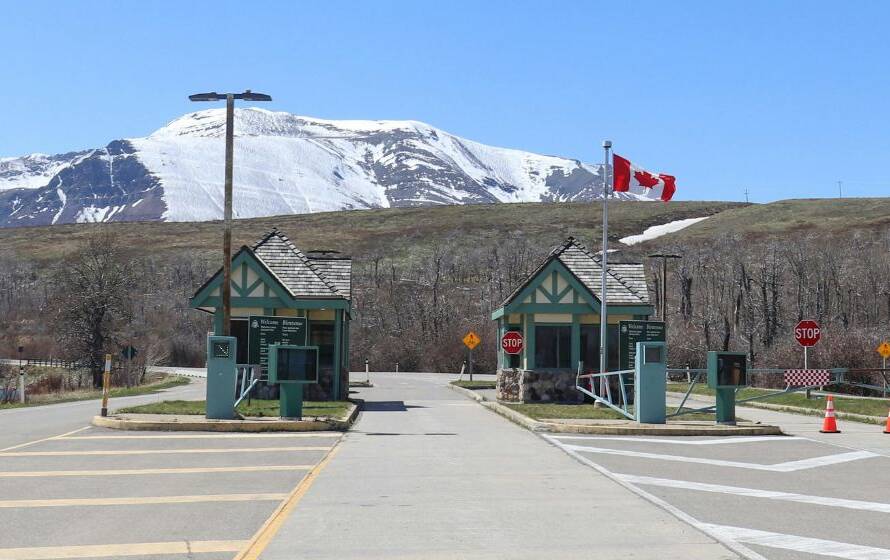


A specialized CBSA intelligence officer analyzes information from global security databases, law enforcement partners, and local informants to identify border security threats. This highly specialized, non-entry-level role is accessed via internal application after serving as a frontline officer.
The Canada Border Services Agency relies on timely and accurate information to stop illegal activities before they reach our borders. While frontline officers are the visible presence at land crossings and airports, a dedicated network of specialists works behind the scenes to analyze threats. One of the most critical specialized roles is the Intelligence Division. If you are interested in research, threat assessment, and strategic analysis, becoming a CBSA intelligence officer represents an excellent long-term career goal. This guide explains what the role involves, how it differs from frontline duty, and the pathway to qualify. To understand the initial entry requirements, check our guide to the CBSA application process. Planning your professional development early helps build a competitive profile for these intelligence positions.
Key Duties of a CBSA Intelligence Officer
Unlike frontline Border Services Officers who screen travelers and cargo entering the country, a CBSA intelligence officer collects, analyzes, and disseminates tactical and strategic information. They identify trends, patterns, and threat profiles related to organized crime, drug trafficking, illegal migration, and national security threats. Their analysis helps frontline officers know who and what to look for on the line, enhancing overall operational efficiency.
Officers in this division write detailed intelligence briefs, issue alert bulletins, and support active investigations. They work closely with domestic partners like the RCMP and CSIS, as well as international intelligence networks such as Interpol and the US Department of Homeland Security. A CBSA intelligence officer play a major role in protecting national security, ensuring that border enforcement is proactive rather than reactive. Review our CBSA salary guide to see the FB pay scales and benefits that apply to these specialized intelligence positions.
| Operational Metric | Border Services Officer (BSO) | Intelligence Officer (IO) |
|---|---|---|
| Duty Location | Airports, land crossings, marine terminals. | Regional offices, headquarters intelligence centers. |
| Primary Focus | Point-of-entry screening, cargo search. | Threat analysis, network mapping, intelligence briefings. |
| Security Clearance | Secret Level | Secret or Top Secret Level |
| Operational Style | Frontline public interaction and customs inspections. | Research-based analysis, database reviews, advisory briefings. |
Because these roles involve access to sensitive information, officers must maintain high security standards. The latest administrative guidelines are described on the Government of Canada website. Serving as a CBSA intelligence officer represents a highly specialized career path that requires analytical thinking, attention to detail, and a commitment to national security, making sure that officers remain ready to handle evolving threats.
The Pathway to Become a CBSA Intelligence Officer
You cannot apply directly to become a CBSA intelligence officer from civilian life. The agency recruits all personnel through the standard frontline officer inventory pool. After passing all screening assessments, candidates must complete the residential training at the Rigaud College and serve as frontline BSOs at a port of entry to gain experience in basic customs and immigration operations. Gaining this field experience is key to understanding how threat profiles are applied on the line.
Once you complete your probationary period and gain frontline experience, you can apply for internal postings within the Intelligence Division. Selection processes are competitive and assess your research skills, analytical thinking, and writing capabilities. Transitioning to a CBSA intelligence officer role allows you to specialize in threat analysis, offering a rewarding career change within the agency for officers with an analytical mindset, opening up paths to senior advisory posts.
Assuming you can apply directly to intelligence roles upon initial recruitment. All new recruits must start on the frontline as ports-of-entry officers. Frontline experience is required before you can apply to specialize as a CBSA intelligence officer.
Candidates can improve their chances of a successful transfer by seeking out mentoring opportunities, participating in local intelligence collection, and maintaining high performance standards on the line. Building a strong professional reputation is key to securing these competitive internal placements and advancing your career within the agency, especially for coveted specialized positions that carry significant operational impact.
Training and Core Skills for Intelligence Operations
Once selected for the division, officers undergo specialized training designed for intelligence operations. This training includes advanced instruction in intelligence analysis methodologies, threat risk assessments, open-source intelligence (OSINT) collection, and information security protocols. Officers must learn how to handle classified information and protect sensitive sources.
Officers also receive in-depth training on database management and advanced research tools. They must be able to synthesize complex information from multiple sources and translate it into clear, actionable reports. Gaining certification in specialized analytical tools is also part of this training program, preparing every CBSA intelligence officer to support active enforcement operations safely and effectively, coordinating directly with other divisions.
Keep your language skills and writing skills sharp throughout your career. Intelligence roles often involve writing detailed briefs under tight timelines, requiring clear communication. Taking courses in report writing is highly recommended.
Career Progression and Salary Potential
Transitioning into an intelligence role provides excellent opportunities for career advancement. The specialized investigative and analytical experience gained in this division prepares officers for senior leadership positions, including intelligence manager roles (FB-05/FB-06) or strategic policy positions, which offer higher salary brackets and increased pension values.
Working in intelligence also allows you to develop specialized networks with domestic and international security partners. These professional connections expand your career options, whether you choose to remain in operational analysis or transition into strategic advisory roles. Investing in your training as a CBSA intelligence officer is a smart way to secure a long-term, high-impact career in public safety, helping you build a stable career path while contributing to national security, making this one of the most prestigious paths within the agency.
FAQ
What does a CBSA intelligence officer do?
They analyze national security threat data to identify smuggling networks, human trafficking, and border safety concerns.
How do I become a CBSA intelligence officer?
You must first graduate from the Rigaud College and serve as a frontline border officer before applying internally.
What security clearance is required for intelligence roles?
Candidates must obtain and maintain a Secret or Top Secret security clearance, depending on their unit assignment.
Do intelligence officers carry firearms?
Most intelligence roles are office-based, but officers remain designated peace officers and maintain their firearm certifications.
This article reflects current CBSA policy based on official government documentation. Eligibility and suitability decisions are assessed on a case-by-case basis during the application process.
Sources
- Canada Border Services Agency Intelligence and Enforcement Directives
- Public Service Commission of Canada Positions Standards
- Customs and Immigration Union Operational Summaries