

Most CBSA career content focuses on major ports — Pearson, YVR, Dorval, the busy highway crossings in Ontario and Quebec. But CBSA operates over 100 ports of entry across Canada, and many of them are small, remote, or in northern communities. A posting at a remote port is a fundamentally different experience from a major airport or busy highway crossing — different pace, different challenges, different lifestyle. Understanding what to expect before you accept or request a remote posting helps you decide if it’s the right path for you.
What Counts as a Remote or Small Port?
CBSA’s smaller ports include:
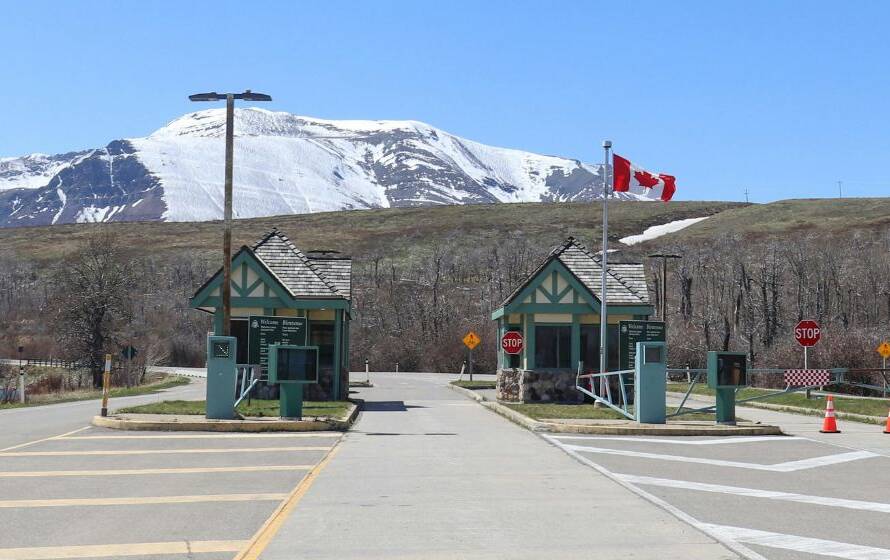
- Rural land crossings — Low-traffic border stations on the US-Canada border, sometimes processing fewer than 50 travellers per day
- Northern and Arctic facilities — Posts in Yukon, Northwest Territories, Nunavut, and northern Quebec, including seasonal or limited-hours operations
- Remote airports — Smaller regional airports with limited international flights
- Marine ports — Seasonal or low-volume marine reporting sites
Some of these ports operate seasonally, some have limited hours of operation, and some are single-officer posts. The experience at a remote post depends heavily on which specific port you’re at.
How Remote Postings Differ from Major Ports
The differences are practical and cultural, not just geographic:
Pace and volume. A major airport processes thousands of travellers per shift. A small land crossing might process a dozen. The pace is slower, but each interaction gets more time — and the cumulative judgement you develop from low-volume, high-attention work is different from the pattern-recognition work at a busy port.
Scope of responsibility. At a major port, primary officers refer complex cases to specialists. At a small port, you ARE the specialist. You handle primary, secondary, enforcement actions, intelligence referrals, and administrative work yourself. This builds generalist skills quickly.
Team size. Major ports have large teams, superintendents on shift, and easy access to supervisors. Remote ports may have one or two officers on duty, with the nearest supervisor hours away. Decision-making is more autonomous.
Community integration. In a remote community, you and your family are part of the community in a way that doesn’t happen at a major urban port. The role carries local visibility and the relationships you build in town matter.
Why Officers Choose Remote Postings
Despite the challenges, many officers actively pursue remote postings for several reasons:
- Faster advancement — Smaller teams mean more opportunities to take on responsibility, lead files, and demonstrate capability
- Generalist skill development — You handle the full range of BSO work rather than specializing in one lane
- Quality of life — Lower cost of living, outdoor recreation, smaller community, less commute
- Isolation allowance and benefits — Some remote postings attract additional allowances and benefits
- Path to other opportunities — Strong performance at a remote post is noticed and can be a stepping stone to intelligence, targeting, or specialized roles
Challenges of Remote Postings
Remote postings also come with real tradeoffs:
- Geographic isolation — Distance from family, specialized healthcare, and urban amenities
- Limited career development locally — To advance, you typically need to be mobile and willing to relocate again
- Backup distance — In a serious enforcement situation, the nearest RCMP or CBSA backup may be hours away. This requires strong judgement and self-reliance.
- Spouse and family considerations — Partners may have limited local employment options; children’s education and activities are different from urban settings
- Weather and access — Some northern posts are fly-in only for parts of the year, or accessible only by seasonal roads
The Hiring and Posting Process
When you accept a CBSA offer, you indicate location preferences, but you are not guaranteed your first choice. Remote postings are often available because:
- They have higher turnover as officers use them as stepping stones
- Some officers prefer them and stay long-term
- They are less competitive in the initial posting process than major urban ports
If you’re interested in a remote posting, you can express this in your posting preferences and discuss it with your recruiter. Officers already at CBSA can request transfers to remote ports through the internal posting process. See CBSA Eligibility List Explained for how posting offers work after a competition.
Life at a Remote Port: Practical Considerations
Before accepting a remote posting, consider these practical questions:
- Housing — Is housing available and affordable? Some remote posts offer government housing or housing allowances
- Healthcare access — What medical services are available locally? Distance to specialized care?
- Schools — What are the local schools like if you have children?
- Spouse employment — Are there local opportunities for your partner?
- Transportation — How do you get in and out? Road access year-round? Nearest airport?
- Community — What’s the community like? Would you be comfortable living there long-term?
Talking to officers who currently work at the post — or have recently — is the best way to get an honest read on what daily life is like there.
Remote Postings as a Career Strategy
For officers early in their career, a remote posting of 1–3 years can be a deliberate strategic choice:
- Build generalist skills that take longer to develop at a major port
- Demonstrate self-reliance and decision-making
- Stand out for future competitions and acting opportunities
- Potentially access isolated post allowances that boost total compensation
The key is to treat it as a deliberate step rather than a default. Officers who thrive in remote postings tend to be those who value autonomy, enjoy the lifestyle of a smaller community, and use the experience to build capability and visibility for the next step in their career.
Frequently Asked Questions
Are remote postings mandatory for new officers?
No. You indicate preferences and CBSA tries to match them, but the agency’s operational needs come first. Some new officers are posted to remote ports; most are not.
Do remote postings pay more?
Base pay is the same FB scale nationwide. Some remote northern postings attract isolated post allowances and additional benefits. Cost of living at remote posts varies widely.
How long do officers typically stay at a remote posting?
There’s no fixed term. Some officers stay long-term by choice. Others use a 1–3 year remote posting as a stepping stone and then request a transfer to a major port.
Can families accompany officers at remote postings?
In most cases yes, but practical considerations (housing, schools, spouse employment, healthcare) need to be evaluated case by case. Some fly-in-only posts present unique challenges for families.
How do I request a transfer out of a remote posting?
Through the internal staffing process. Watch for internal job posters and apply to positions at the port you want to move to. Most officers successfully transfer out of remote postings within 1–3 years if they choose to.