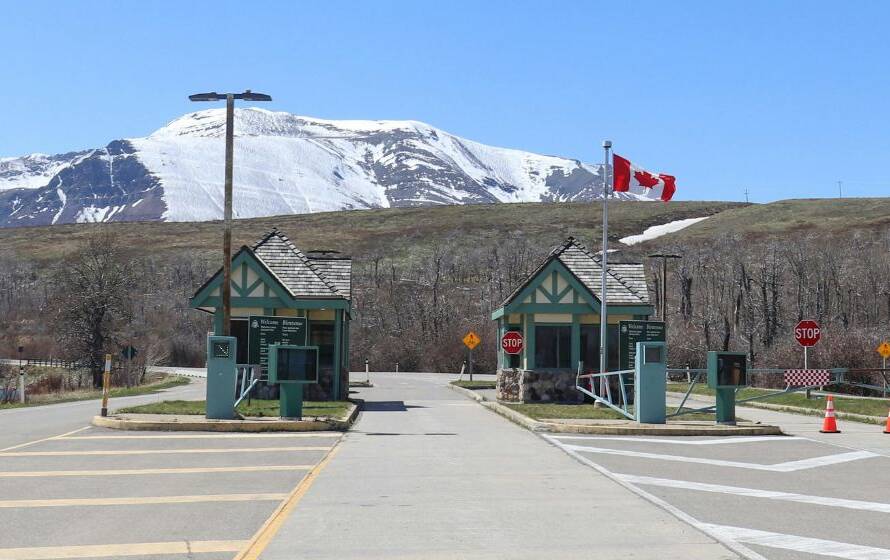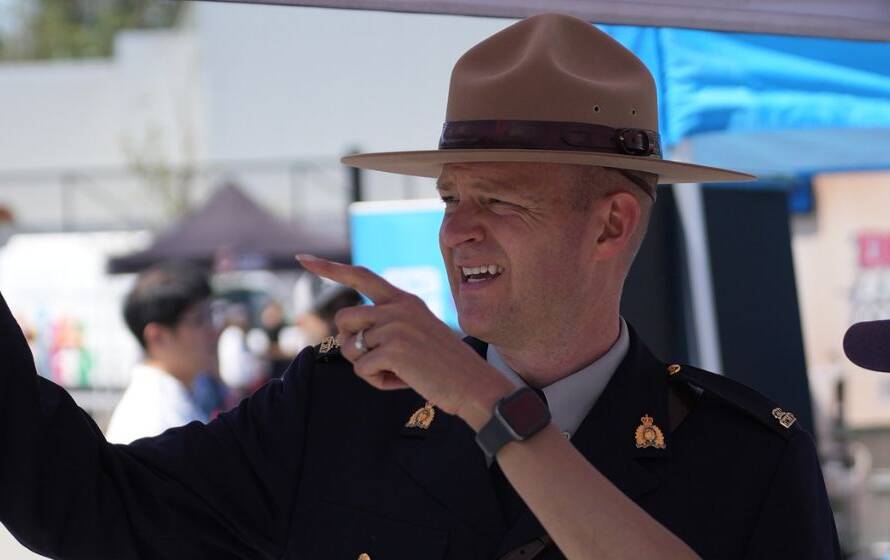


Quick Answer: A CBSA inland enforcement officer is responsible for investigating, locating, and detaining individuals who violate Canadian immigration and customs laws within the country. This specialized law enforcement role requires initial frontline service, followed by internal application and specific training programs.
A career with the Canada Border Services Agency offers diverse opportunities beyond the standard primary inspection booths at land borders and airports. While most people only interact with officers at ports of entry, the agency maintains a significant operational presence within Canada’s interior. One of the most specialized and active units is the Inland Enforcement Division. Understanding the responsibilities of a CBSA inland enforcement officer is key for applicants planning their long-term career goals. This guide outlines what the role involves, how it differs from frontline duty, and the pathway to join this specialized unit. To review the entry requirements, check our guide to the CBSA application process.
Core Duties of a CBSA Inland Enforcement Officer
Unlike frontline Border Services Officers who screen travelers and cargo entering the country, a CBSA inland enforcement officer works within Canada’s borders. Their primary mandate is to identify, locate, and detain individuals who have violated immigration laws. This includes locating foreign nationals who are working without authorization, individuals who have overstayed their visas, and persons who are subject to active deportation or removal orders due to criminal activity or security concerns.
Officers in this division conduct complex investigations, gather intelligence, and execute immigration warrants. They work closely with other law enforcement partners, including local police departments, the RCMP, and international agencies, to track down high-risk individuals. A CBSA inland enforcement officer also represents the agency at Immigration and Refugee Board (IRB) hearings, presenting evidence to support detention or removal decisions. Review our CBSA salary guide to see the FB pay scales and benefits that apply to these specialized investigative roles.
| Operational Metric | Port of Entry Officer (BSO) | Inland Enforcement Officer (IEO) |
|---|---|---|
| Duty Location | Airports, land crossings, marine terminals. | Regional offices, community operations, courtrooms. |
| Primary Focus | Customs declarations, point-of-entry screening. | Immigration investigations, warrant execution, removals. |
| Tactical Context | Static defensive posture at controlled checkpoints. | Dynamic operations, community arrests, target tracking. |
| Regulatory Law | Customs Act, Excise Act, Food & Drugs Act. | Immigration and Refugee Protection Act (IRPA). |
Inland operations require a high level of tact and professionalism, as officers deal with complex human situations, including asylum seekers and families. The latest operational frameworks are outlined on the Government of Canada website. Serving as a CBSA inland enforcement officer is a challenging career path that demands strong legal knowledge and excellent communication skills.
The Pathway to Become a CBSA Inland Enforcement Officer
You cannot apply directly to become a CBSA inland enforcement officer from the street. The agency recruits all personnel through the standard frontline officer inventory pool. After passing all screening assessments, candidates must complete the residential training at the Rigaud College and serve as frontline BSOs at a port of entry to gain experience in basic border administration.
Once you complete your probationary period and gain frontline experience, you can apply for internal postings within the Inland Enforcement Division. Selection processes are competitive and assess your investigative skills, legal knowledge, and operational record. Transitioning to a CBSA inland enforcement officer role allows you to specialize in immigration enforcement, offering a rewarding career change within the agency. Having second-language credentials can also give you an advantage during these internal selection reviews.
Assuming you can apply directly to inland enforcement roles upon initial recruitment. All new recruits must start on the frontline as ports-of-entry officers. Frontline experience is required before you can apply to specialize as a CBSA inland enforcement officer.
Candidates can improve their chances of a successful transfer by seeking out mentoring opportunities, participating in local investigations, and maintaining high performance standards on the line. Building a strong professional reputation is key to securing these competitive internal placements and advancing your career within the agency, especially for coveted specialized positions.
Training Requirements for a CBSA Inland Enforcement Officer
Once selected for the division, officers undergo specialized training designed for inland operations. This training includes advanced instruction in defensive tactics, arrest procedures, building entry techniques, and tactical communication. Because inland officers operate in uncontrolled community environments, managing physical risks is a major priority during their training, making safety the primary focus of every operation.
Officers also receive in-depth training on the Immigration and Refugee Protection Act (IRPA) and the legal procedures required to execute search warrants and removals. Understanding constitutional rights and administrative law is essential, as all enforcement actions must stand up to judicial review in federal court. This rigorous training prepares every CBSA inland enforcement officer to perform their duties safely and legally, representing the agency with professionalism. Gaining certification in advanced defensive tools is also part of this training program.
Inland enforcement roles require a high level of physical fitness and tactical readiness due to the nature of community arrests. Candidates should maintain their physical training after leaving the Rigaud College to make sure they meet the operational requirements of the inland team.
Career Progression and Compensation Outcomes
Transitioning into an inland enforcement role provides excellent opportunities for career advancement. The specialized investigative and legal experience gained in this division prepares officers for senior leadership positions, including Superintendent roles (FB-05) or intelligence officer roles, which offer higher salary brackets and increased pension values.
Working in inland enforcement also allows you to develop specialized networks with municipal, provincial, and federal law enforcement partners. These professional connections expand your career options, whether you choose to remain in investigations or transition into strategic advisory roles. Investing in your training as a CBSA inland enforcement officer is a smart way to secure a long-term, high-impact career in public safety.
FAQ
What does a CBSA inland enforcement officer do?
They locate, arrest, and deport individuals who are in Canada illegally or have violated immigration laws.
Is inland enforcement an entry-level CBSA job?
No. You must first graduate from the Rigaud College and serve as a frontline border officer before transferring.
What laws do inland officers enforce?
They primarily enforce the Immigration and Refugee Protection Act (IRPA) and the Customs Act within Canada.
Do inland enforcement officers carry firearms?
Yes. Inland enforcement officers are armed federal peace officers who carry duty firearms and defensive equipment.
This article reflects current CBSA policy based on official government documentation. Eligibility and suitability decisions are assessed on a case-by-case basis during the application process.
Sources
- Immigration and Refugee Protection Act (IRPA) Regulations
- Canada Border Services Agency Inland Enforcement Directives
- Customs and Immigration Union Operational Role Summaries