

JoinCBSA.ca Fitness & Preparation Team
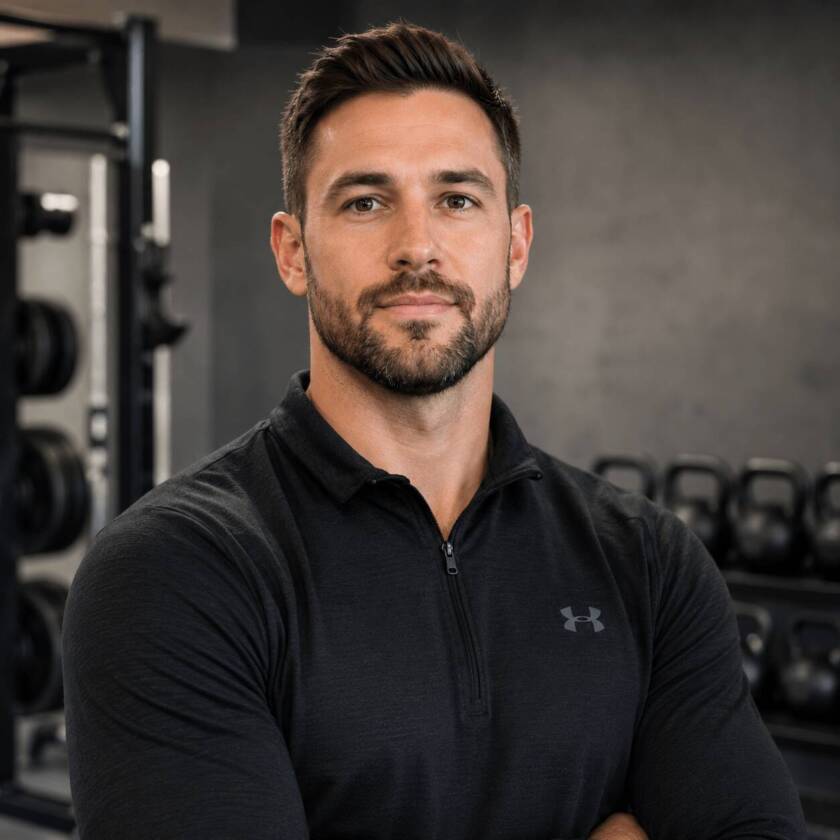
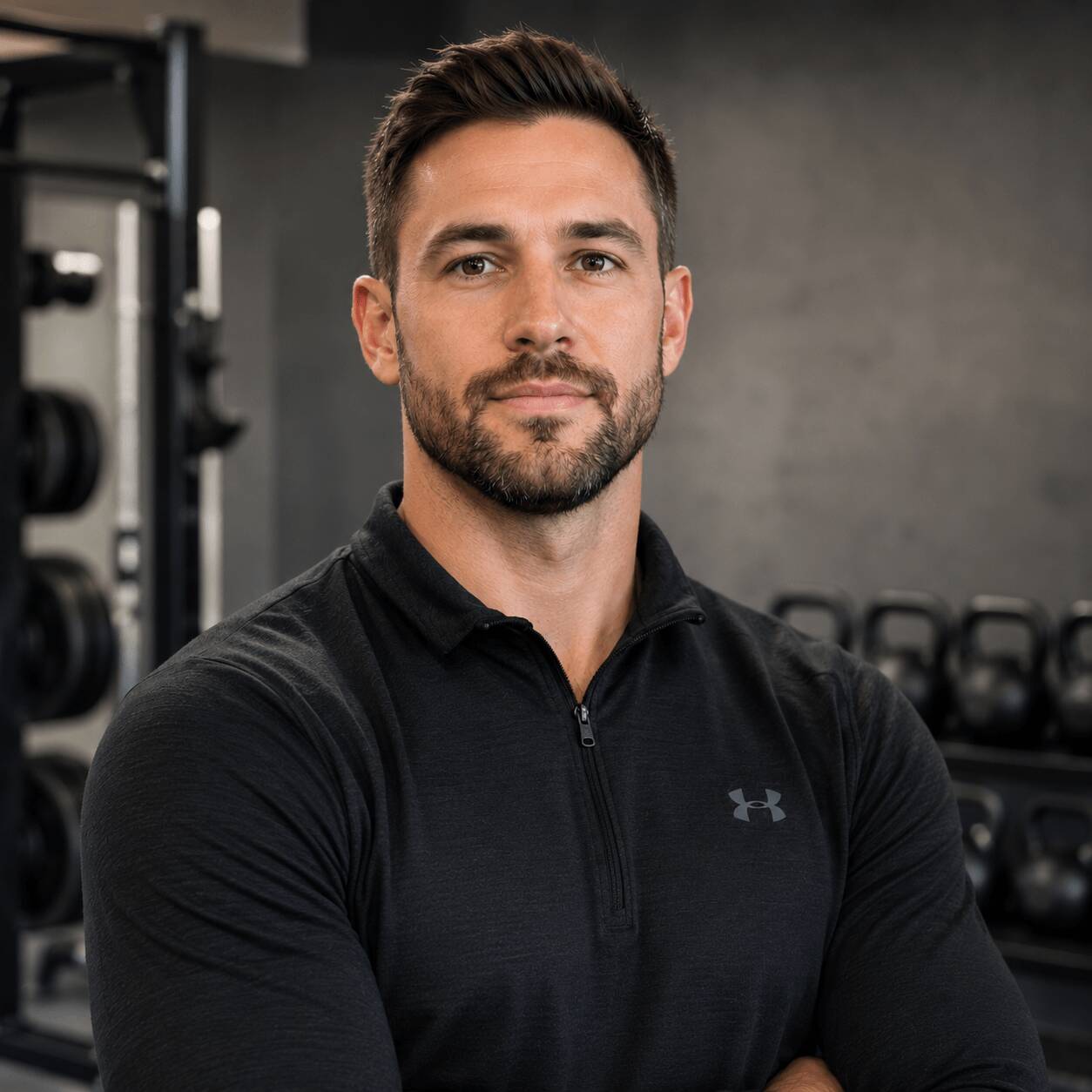
Alex Morgan
Certified Personal Trainer, CBSA PAT & Fitness Preparation
Email AlexAbout Alex Morgan
Alex Morgan is a NASM-Certified Personal Trainer with a Bachelor of Kinesiology from the University of British Columbia, contributing fitness and Physical Abilities Test (PAT) guidance to JoinCBSA.ca. Alex also writes RCMP fitness content at JoinRCMP.ca — the same coaching framework applied across both federal law enforcement hiring paths.
CBSA applicants face a fitness gate that generic gym programs rarely address: the PAT measures job-relevant tasks under time pressure, and preparation must fit around full-time work or school while a competition file moves through OTEE, interview, and clearance stages. Alex’s work at JoinCBSA.ca translates publicly available CBSA fitness expectations into structured programming applicants can follow without guessing.
Over seven-plus years of coaching, Alex has worked with 150+ clients on strength, conditioning, and cardiovascular plans. Programming emphasizes evidence-based progression, injury prevention, and realistic scheduling — because most BSO candidates are not full-time athletes, and their training plans should reflect that.
What Alex Focuses On at JoinCBSA.ca
CBSA publishes PAT expectations and fitness self-evaluation guidance, but not the week-by-week programming that bridges where most applicants start and where test-day performance needs to be. That gap — between official task descriptions and trainable preparation — is what Alex’s JoinCBSA.ca guides address.
Content focuses on CBSA PAT task demands first: aerobic capacity, functional strength, mobility under fatigue, and recovery across a hiring timeline that can stretch months. RCMP PFA preparation is covered at JoinRCMP.ca with the same coaching principles applied to a different test structure.
- CBSA Physical Abilities Test (PAT) preparation — job-task simulations, pacing, and retest readiness
- Transition from legacy PARE assumptions to current CBSA PAT task training
- Aerobic base building and interval work for sustained output under load
- Functional strength for carry, push, pull, and core stability components
- Injury prevention, deload weeks, and tapering before assessment day
- Fitness preparation for women targeting BSO PAT standards
- Cross-site RCMP PFA programming at JoinRCMP.ca
Insights From Coaching CBSA & RCMP Applicants
Observations from coaching federal law enforcement applicants — CBSA PAT first, with RCMP PFA context where it helps.
The gap between “minimum” and “ready” is wider than most applicants expect
The RCMP’s minimum push-up standard is 10 continuous reps — enough to satisfy the self-assessment checklist, but not enough to handle Week 1 at Depot, which assumes a fitness base well above minimum. Applicants who train to the minimum find the early Depot physical block genuinely difficult. The target standard (25–40 reps) is the right preparation goal, and every guide here is calibrated to target — not minimum.
Preparation timelines are almost always shorter than the program requires
The RCMP’s Level 1 conditioning program is 16 weeks. Many applicants compress their preparation into 6–8 weeks because the application window created urgency. Compressed timelines produce compressed results — and often, injury before the assessment. Applicants who start with a structured 16-week minimum tend to arrive at their PFA with genuine readiness rather than just enough.
Injury in the final 4–6 weeks is one of the most common reasons applications stall
When applicants know their test date is approaching, training intensity tends to increase sharply. Overuse injuries — shin splints, shoulder impingement, lower back strain — frequently appear at this stage. Well-structured preparation builds toward the peak, then tapers. Programming that schedules recovery weeks reduces this risk substantially, which is why taper phases appear in every guide here.
The carry and lift stations are consistently the least-prepared component
Most applicants default to running as their primary preparation. The PFA’s emergency assistance station — repeated bag lift and carry, sandbag carry over 50 metres — requires loaded functional strength that running alone does not build. Applicants who arrive with strong cardio but underdeveloped posterior chain strength find these stations disproportionately demanding. The functional strength guides here specifically address that gap.
Questions I See Most Often
Common questions from RCMP applicants about fitness preparation and the PFA.
How long do I actually need to prepare before the PFA?
The RCMP’s own Level 1 conditioning program is 16 weeks. That is the minimum planning window worth building around if you are starting from a general fitness baseline. If you have not trained consistently in months, 20–24 weeks is more realistic. The number that matters is not how long you have — it is whether you can meet or exceed the target standard for your age and sex by test day.
Should I be aiming for Level 1 or trying to reach Level 4 before Depot?
You do not need Level 4 before entering Depot — the program is designed to take you through all four levels during training. The goal is to arrive at a solid Level 1-plus baseline: pass the Week 2 PFA without being overwhelmed in the early weeks. Arriving closer to Level 2 readiness gives you a meaningful buffer against the physical load in the first month.
Does my 5K time matter, or only the PFA stations?
Both matter. Your 5K self-assessment result is reviewed by your recruiter and provides evidence of readiness before the PFA. The target is 23:30–26:30. That said, the 500m foot pursuit station with a fence climb demands short explosive effort — not endurance — so training only to improve your 5K time will not fully prepare you for that station.
What happens if I fail the PFA at Depot?
The RCMP uses a two-attempt structure for fitness assessments at Depot. A second failed attempt is a dismissal-level event. There is no extended remediation window. This is why arriving under-prepared carries real consequences — and why preparation here is built around target standards, not minimum ones.
Should women train differently for RCMP fitness standards?
The RCMP applies gender-adjusted standards for certain assessments. Women begin with knee push-ups at Level 1 and progress to standard push-ups at higher levels. Programming principles — periodization, load management, injury prevention — apply equally, but programming for women should specifically address common upper-body pulling strength gaps that affect the physical control station. The women’s fitness guide covers those specifics.
Is the fence climb something I need to specifically practise?
Yes. The foot pursuit station includes a 1.4-metre chain-link fence climb at the midpoint — while your heart rate is already elevated from the 250m sprint. People who have not specifically practised fence climbs under fatigue find it more difficult than expected. If you cannot access a fence, box step-overs and explosive hip extension drills build a reasonable substitute pattern.
Common Mistakes Applicants Make
Training for the wrong fitness test
Many applicants arrive having trained for the PARE — used by CBSA and some municipal forces, not the RCMP. The RCMP uses the PFA, which has four distinct stations with different movement demands. Preparation time spent drilling PARE components may not transfer directly to PFA performance.
Running as the only form of preparation
Running builds cardio for the foot pursuit station but leaves a significant gap in the emergency assistance and physical control stations, which require loaded functional strength. Applicants who only run find the carry and sled components disproportionately demanding on test day.
Compressing the preparation window
Six to eight weeks before the PFA is not enough if starting from a general fitness baseline. The RCMP’s Level 1 program is 16 weeks for a reason — aerobic adaptation and injury-proofing both take time. Compressed timelines produce either under-prepared applicants or injured ones.
Escalating intensity too close to test day
Training volume that increases sharply in the final 4–6 weeks before the assessment routinely produces overuse injuries — shin splints, shoulder problems, lower back strain. Well-designed programs peak 3–4 weeks out, then taper so the body recovers before performance day.
One Myth Worth Challenging
Advice for Future Applicants
Start earlier than you think you need to
Physical preparation should begin at least 16 weeks before you expect to need it — not 16 weeks before you submit your application. Application windows are unpredictable. Being physically ready before you need to be is never a disadvantage, and arriving over-prepared for Depot is the better problem to have.
Know your self-assessment numbers before you start your program
Run your 5K and count your push-ups before beginning structured training. This tells you where you are relative to minimum, target, and superior standards — and sets a realistic expectation for what the next 16 weeks need to accomplish. Starting without a baseline makes it impossible to judge whether your training is producing results.
Train all four PFA stations, not just the ones you find easiest
Every station must be completed to standard on the same day. Strong cardio with undertrained functional strength creates a real failure risk. The emergency assistance and physical control stations require specific loaded movement patterns that only targeted training builds — not running, not body-weight circuits alone.
Build recovery into the plan from day one
Recovery is not a reward for hard work — it is where physical adaptation actually happens. Two to three resistance sessions per week, three to five cardio sessions, and at least one full rest day is a sustainable training week for most applicants preparing over 16+ weeks. Programs without scheduled recovery produce injured applicants, not fit ones.
Areas of Expertise
CBSA PAT & Fitness Testing
PAT task preparation, aerobic and functional strength demands, and readiness across a long CBSA competition timeline.
Strength and Conditioning
Periodized programming for functional strength, progressive overload, and movement quality under fatigue, mapped to law enforcement demands.
Cardiovascular Training
Pacing strategies, interval work, aerobic base building, and endurance maintenance across the preparation timeline before assessment.
Injury Prevention and Recovery
Identifying overuse patterns, mobility programming, and structuring recovery so training does not break down before test day.
Women & Federal Fitness Standards
Programming for women targeting CBSA PAT and RCMP PFA benchmarks, including strength gaps and injury-prevention considerations.
Credentials and Education
Professional Certification
NASM Certified Personal Trainer (CPT)
National Academy of Sports Medicine (NASM)
Certified 2017 – Present · Active
Evidence-based program design, movement assessments, corrective exercise, and performance training for general and athletic populations.
University Degree
Bachelor of Kinesiology (BKin)
University of British Columbia · Vancouver, BC
2013 – 2017
Exercise physiology, biomechanics, motor control, and strength and conditioning. Completed practicum placements in fitness and performance settings.
Professional Experience
January 2021 – Present
Certified Personal Trainer – CBSA & RCMP Fitness Content
JoinCBSA.ca & JoinRCMP.ca · Vancouver, BC
- Writes and reviews CBSA PAT and fitness preparation guides at JoinCBSA.ca.
- Designs RCMP PFA programming content at JoinRCMP.ca using the same evidence-based coaching framework.
- Builds realistic training schedules for applicants working or studying full-time during long hiring timelines.
- Emphasizes injury prevention, tapering, and task-specific strength for both agencies’ assessments.
June 2017 – December 2020
Personal Trainer / Strength & Conditioning Coach
Independent Practice – Various Facilities · Vancouver, BC
- Coached 150+ clients on strength building, fat loss, cardiovascular fitness, and return-to-training after minor injuries.
- Created individualized programs using fitness assessments, SMART goals, and periodized progressive overload.
- Collaborated with physiotherapists on post-rehabilitation training cases.
September 2015 – April 2017
Kinesiology Practicum Student / Assistant Trainer
University Fitness & Performance Centre · Vancouver, BC
- Supported programming for recreational athletes under certified trainers and kinesiologists.
- Conducted fitness assessments and assisted with individualized exercise plans.
- Co-delivered workshops on movement fundamentals, warm-up strategies, and injury prevention.
Training Approach
Most RCMP applicants are not full-time athletes. They work shifts, attend school, or manage family commitments while trying to hit a scored fitness benchmark on a specific date. That constraint shapes how Alex programs — starting with available time and recovery capacity first, then building intensity as the test date approaches.
The framework used across all JoinRCMP.ca fitness guides follows three stages: establish a baseline with general conditioning, build specific capacity targeting the test components, then peak and taper in the final weeks before the assessment. Injury prevention is woven into every phase — overuse injuries in the final month of preparation are a common reason applicants miss their target date, and programming that accounts for recovery reduces that risk substantially.
Editorial Contributions
Content Written
Primary author of JoinRCMP.ca’s RCMP fitness standards, training program, functional strength, Depot physical readiness, women’s fitness, running requirements, push-up standards, and strength benchmarks guides — covering the complete preparation journey from self-assessment to Depot entry.
Content Reviewed
Reviews all fitness-adjacent content for technical accuracy before publication — including Depot preparation guides, strength benchmarks, and programming schedules. Confirms that exercise prescriptions, load recommendations, and benchmark numbers align with current RCMP standards.
Ongoing Updates
When CBSA or RCMP updates fitness standards, PFA station requirements, or the conditioning program structure, affected guides are reviewed and updated to reflect current requirements. Benchmark tables and self-assessment numbers are cross-checked against RCMP documentation on each revision cycle.
Content Methodology
Fitness standards and benchmarks are verified against official CBSA and RCMP publications before being included in any guide. Where RCMP documentation is silent on a specific detail, the guide makes that gap clear rather than filling it with assumption.
Exercise prescriptions follow NASM Optimum Performance Training (OPT) model principles and are cross-referenced against National Strength and Conditioning Association (NSCA) guidelines for athletic populations. Programming load recommendations are calibrated for the average applicant, not the elite one.
Injury risk guidance is framed as coaching observation, not medical advice. Any content touching on pain, medical conditions, or return-to-training from injury recommends consultation with a physician or physiotherapist — and specifically references the PES Form 6627 physician clearance required before taking the PFA.
Editorial Standards
Accuracy
Fitness standards and benchmark numbers are sourced from official CBSA and RCMP publications. When CBSA or RCMP updates its standards, affected guides are reviewed and corrected.
Independence
JoinCBSA.ca and JoinRCMP.ca are independent educational resource. Fitness recommendations are based on coaching experience and established exercise science principles, not sponsored content or equipment partnerships.
Scope
Content covers preparation and coaching guidance only. It does not replicate official RCMP documentation, and applicants are directed to cbsa-asfc.gc.ca and rcmp.ca for authoritative application and standards information.
Medical Clarity
Exercise programming is coaching guidance, not medical advice. Content involving load, intensity, or injury risk consistently recommends physician clearance before beginning preparation training.
Featured Topic Areas
Explore CBSA fitness and hiring content by topic cluster.
Fitness Guides at JoinCBSA.ca
Guides written or contributed to by Alex Morgan at JoinCBSA.ca (plus RCMP fitness guides at JoinRCMP.ca):
CBSA Physical Abilities Test (PAT): How It Replaced the PARE
What the CBSA PAT measures, how it differs from legacy PARE training, and what applicants should prepare for.
Training PlanCBSA PAT Training Plan: 8-Week Program
Structured eight-week preparation mapping strength, cardio, and recovery to PAT task demands.
HiringCBSA Hiring Process: Step-by-Step Guide
Where PAT fits among OTEE, interview, medical, and security clearance stages.
RCMPRCMP Fitness Standards and Training
Cross-site PFA preparation content at JoinRCMP.ca — same coaching standards, different test structure.
Contact
Alex can be reached for CBSA PAT and fitness preparation questions through JoinCBSA.ca. He also covers RCMP PFA programming at JoinRCMP.ca.
Biography
Dedicated and certified personal trainer with over 7 years of experience in the fitness industry. Holds a Bachelor’s Degree in Kinesiology and NASM Certified Personal Trainer certification. Specializes in creating personalized training programs to help clients achieve goals in strength building, weight management, injury rehabilitation, and overall wellness. Committed to evidence-based practices and client motivation for sustainable results.